Tankless vs Tank Water Heater: Which Is Right for Your Johnston Home?
Tankless and tank water heaters both have their place in a Rhode Island home. Here's how to choose the right one based on your household size, budget, and fuel type.
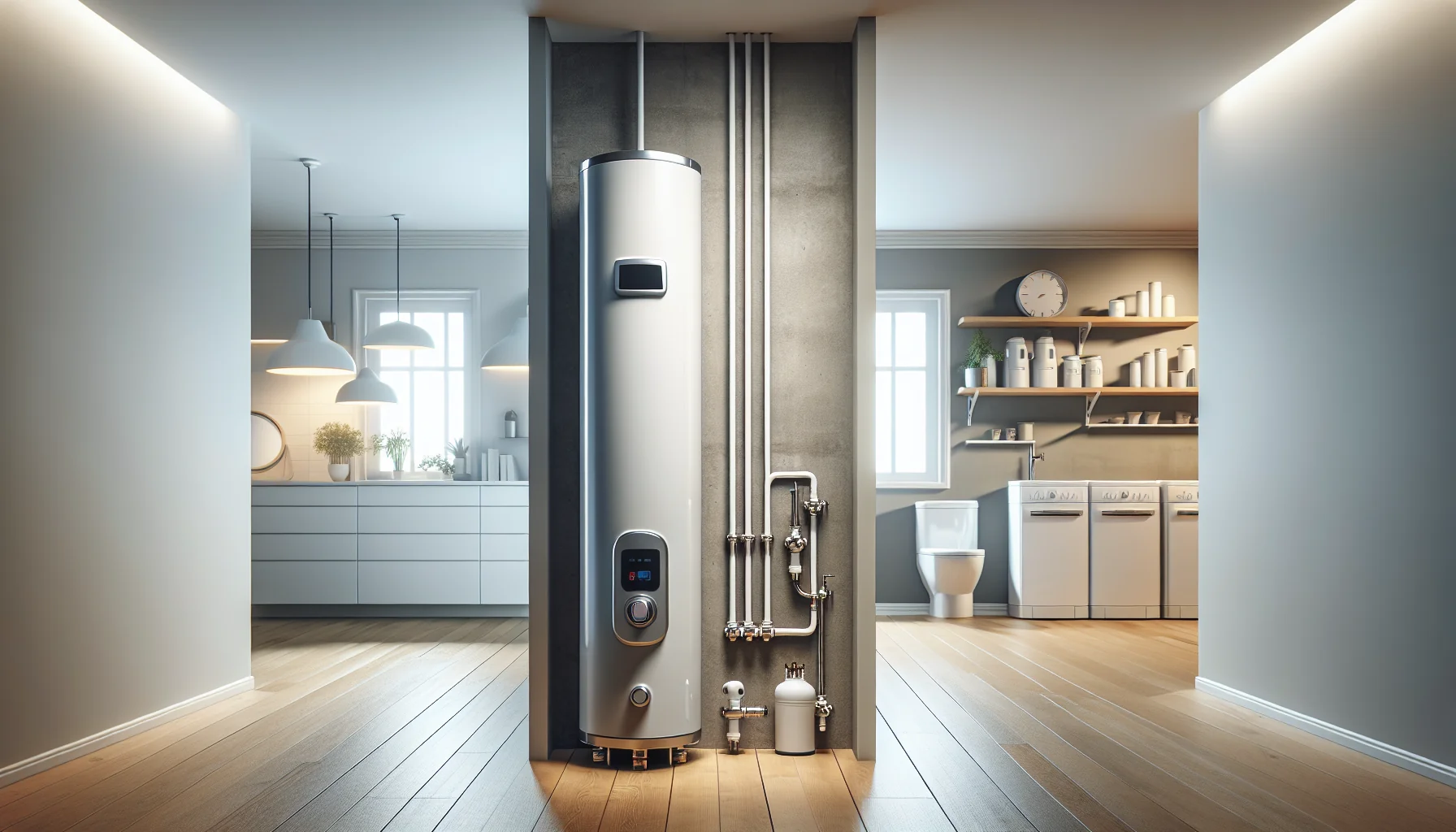
When your water heater starts leaking or costs more to fix than to replace, you end up with the same question every Johnston homeowner faces: should I stick with a tank, or go tankless?
There's no single right answer — the right choice depends on how your household uses hot water, what fuel you have, and how long you plan to stay in the house. Here's an honest comparison from Kwik Plumbing & Heating, without the sales pitch.
How they work (the short version)
A tank water heater keeps 40 to 80 gallons of water hot in a reservoir 24 hours a day, ready to go the moment you turn a tap. A tankless unit has no reservoir — it fires a high-BTU burner on demand and heats water as it flows through a coil inside the unit. No standby, no tank to rupture.
Tank water heaters
The good
- Lower upfront cost. A quality 50-gallon gas tank runs $1,200–$2,500 installed.
- Simpler technology. Fewer parts, fewer things to go wrong, and any plumber in the state can work on one.
- Consistent performance in winter. Cold incoming water doesn't hurt a tank — it just reheats the reservoir. Rhode Island groundwater hits 40–45°F in January, and a tank doesn't care.
- Handles simultaneous demand. If your tank is sized right, two showers and a dishwasher at the same time is fine.
The not-so-good
- Shorter lifespan. 8–12 years is typical, and Rhode Island's mineral content tends to push toward the low end of that range.
- Standby losses. The tank reheats constantly, even when you're at work.
- Capacity limits. Run out of hot water, and you wait 20–40 minutes for the next shower.
- When they fail, they leak. Often in the middle of the night. We've pumped out a lot of basements.
Tankless water heaters
The good
- Endless hot water. As long as you're in the unit's flow rating, you'll never run out.
- 15–20+ year lifespan with proper maintenance — roughly double a tank.
- More efficient. The Department of Energy puts tankless at 24–34% more efficient for low-use households and 8–14% more efficient for high-use homes.
- Reclaim floor space. A wall-mounted unit is about the size of a carry-on suitcase.
- No tank flood when it fails. Nothing to rupture.
The not-so-good
- Higher upfront cost. Figure $3,500–$5,500 installed for a quality gas tankless in a typical Johnston home.
- Cold-climate penalty. Rhode Island's 40°F inlet water in January means the unit has to work harder. You need to size up, not down.
- Gas line may need upsizing. Tankless units have high BTU draws that can exceed what older gas runs can deliver. That's an additional install cost.
- Annual descaling. In hard-water areas like ours, you need to flush the unit with white vinegar or descaler once a year. Easy to do, but don't skip it.
- Simultaneous demand limits. Run three showers at once on an undersized unit and flow drops.
Which one should you pick?
Go with a tank if…
- You want the lowest upfront cost and don't want to think about it
- You have heavy simultaneous demand (big family, multi-bath mornings)
- You're not planning to stay in the home more than 5–6 years
- Your existing install is already a tank and nothing needs changing
Go with tankless if…
- You want long-term efficiency and are willing to pay more upfront to get it
- You've had a tank fail and flood your basement — and never want that again
- You're reclaiming space in a finished basement
- Your household is 1–2 people with moderate hot water use
- You're already upgrading gas lines during a remodel
Sizing matters more than type
The biggest mistake we see isn't picking the wrong category — it's undersizing the unit. An undersized tank leaves you with cold showers. An undersized tankless drops flow when two fixtures run. Both problems are avoidable with a proper load calculation before you buy.
Not sure which is right for you?
Call Kwik Plumbing & Heating during our regular business hours for a straight answer based on your household and your fuel type. We install both, so we have no reason to push you one way or the other — we just want you to end up with the right setup for your Johnston home.
Need Professional Help?
Our Gas Safe registered engineers are available for all your plumbing and heating needs.
Related Articles
Should I Switch From Oil to Natural Gas Heating in Johnston?
Rhode Island still has one of the highest oil-heat rates in the country — but gas is expanding. Here's an honest look at when oil-to-gas conversion makes sense, and when it doesn't.
What's Causing Low Water Pressure in My Johnston Home?
Weak showers and slow-filling washing machines usually trace back to one of six common causes. Here's how a local plumber diagnoses low water pressure in a Rhode Island home.
How Often Should I Service My Boiler in Rhode Island?
Short answer: once a year, every year. Here's what a proper annual service includes, why it matters more in a New England winter, and the best time to book it.