
How Often Should I Service My Boiler in Rhode Island?
Once a year, every year — ideally late summer to early fall. Here's what a real annual boiler service includes, why skipping it gets expensive, and how to book it.
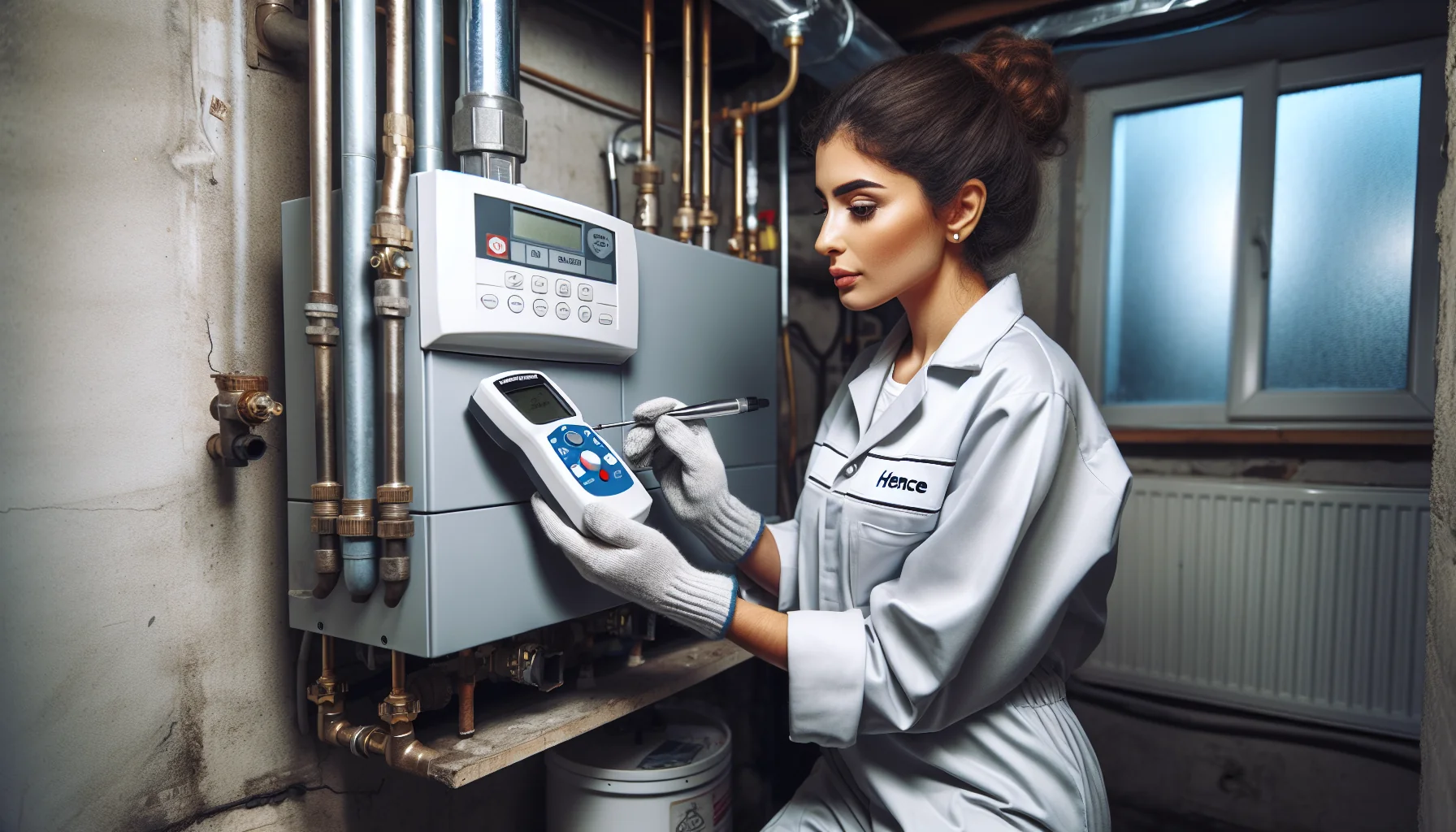
Service your boiler once a year, every year — ideally late summer through early fall. A boiler in a Rhode Island home works from October through April with barely a day off, and an annual service is what keeps it safe, efficient, and out of the winter no-heat pile. Here's what a real service includes, why skipping it is one of the most expensive habits a homeowner can fall into, and the best time to book.
The right time to book it
The best window is late summer through early fall — August through early October. Two reasons:
- If your technician finds something that needs attention, you have time to fix it before you actually need the heat.
- Scheduling is easier. By late November, every plumbing company in the state is running emergency calls and booking two weeks out.
What a real annual service includes
A proper boiler service is more than "looking at it for ten minutes." Here's what we do at Kwik Plumbing & Heating on a typical visit.
Safety checks
- Carbon monoxide reading at the flue
- Combustion analysis (O2, CO2, stack temperature, efficiency)
- Gas leak check at all connections
- Pressure relief valve test
- Low-water cutoff test for steam boilers
Cleaning
- Vacuuming the burner, heat exchanger, and flue passages
- Cleaning or replacing the oil nozzle and filter on oil boilers
- Cleaning the flame sensor on gas boilers
- Cleaning the condensate trap on high-efficiency condensing units
Inspection and tuning
- Checking system pressure (around 12–15 psi cold on a residential hydronic system)
- Inspecting the expansion tank charge
- Visual inspection for leaks, corrosion, or refractory damage
- Testing the thermostat, zone valves, and circulator pumps
- Tuning the burner for optimal combustion — especially important on oil systems
Why skipping it is so expensive
We hear the same story every winter: "It ran fine last year, why pay for a tune-up?" Here's why:
- Safety. Carbon monoxide poisoning is real, and a cracked heat exchanger or sooted flue is how it happens. A combustion analyzer catches it before it hurts anyone.
- Efficiency. A dirty oil boiler can lose 15% or more efficiency — at Rhode Island fuel prices, often $200–$400 a winter straight out of your pocket.
- Warranty. Most manufacturers require documented annual service to honor warranty claims on heat exchangers and controls.
- Longevity. Well-maintained boilers last 20–30 years; neglected ones fail in 10–15.
- Breakdown prevention. Most winter no-heat calls we run are on boilers that haven't been serviced in 3+ years.
What you can do between visits
Between annual services, a few checks take sixty seconds:
- Glance at the pressure gauge once a month. 12–15 psi cold is normal.
- Listen for new noises. Banging or rumbling can mean kettling — don't ignore it.
- Check for leaks or damp spots around the unit and nearby piping.
- Keep the area around the boiler clear — nothing stored against it.
Book your annual service
If your boiler hasn't been serviced this year, now is the time. We service oil, natural gas, and propane boilers across North Providence, Smithfield, Glocester, West Warwick, and the rest of the Providence County area — and we give you an honest report of what we found, not a sales pitch for parts you don't need. Call Kwik Plumbing & Heating during business hours to get on the schedule.
Frequently asked questions
How often should a boiler be serviced?
Once a year, every year. A boiler that heats a home through a full New England winter needs an annual safety and efficiency service — most manufacturers also require documented yearly service to keep the warranty valid.
When is the best time of year to service a boiler?
Late summer through early fall — August to early October. You beat the winter rush, and if the technician finds a problem you have time to fix it before you rely on the heat.
What happens if I never service my boiler?
You risk carbon monoxide from a cracked heat exchanger, lose 15% or more efficiency to soot, void the warranty, and cut the unit's lifespan from 20–30 years down to 10–15. Most no-heat breakdowns we see are on boilers neglected for 3+ years.
Do you service oil, gas, and propane boilers?
Yes — oil, natural gas, and propane boilers, including steam and high-efficiency condensing units, throughout Johnston and the surrounding Providence County towns.
Need Professional Help?
Kwik Plumbing RI's licensed plumbers and heating technicians are ready to help across Rhode Island.
Related Articles
Should I Switch From Oil to Natural Gas Heating in Johnston?
Rhode Island still has one of the highest oil-heat rates in the country — but gas is expanding. Here's an honest look at when oil-to-gas conversion makes sense, and when it doesn't.
Switching From a Tank to a Tankless Water Heater in an Older Rhode Island Home
Most older Rhode Island homes need gas line, venting, or electrical upgrades before a tankless water heater will work. Here is how to figure out what yours needs before you spend a dollar.
Why Older Rhode Island Homes Get Low Water Pressure (and What Actually Fixes It)
Low water pressure in an older Rhode Island home almost always traces to one of five things. Here is how to diagnose it yourself and what each real fix costs.