
Should I Switch From Oil to Natural Gas Heating in Johnston?
Rhode Island still has one of the highest oil-heat rates in the country — but gas is expanding. Here's an honest look at when oil-to-gas conversion makes sense, and when it doesn't.
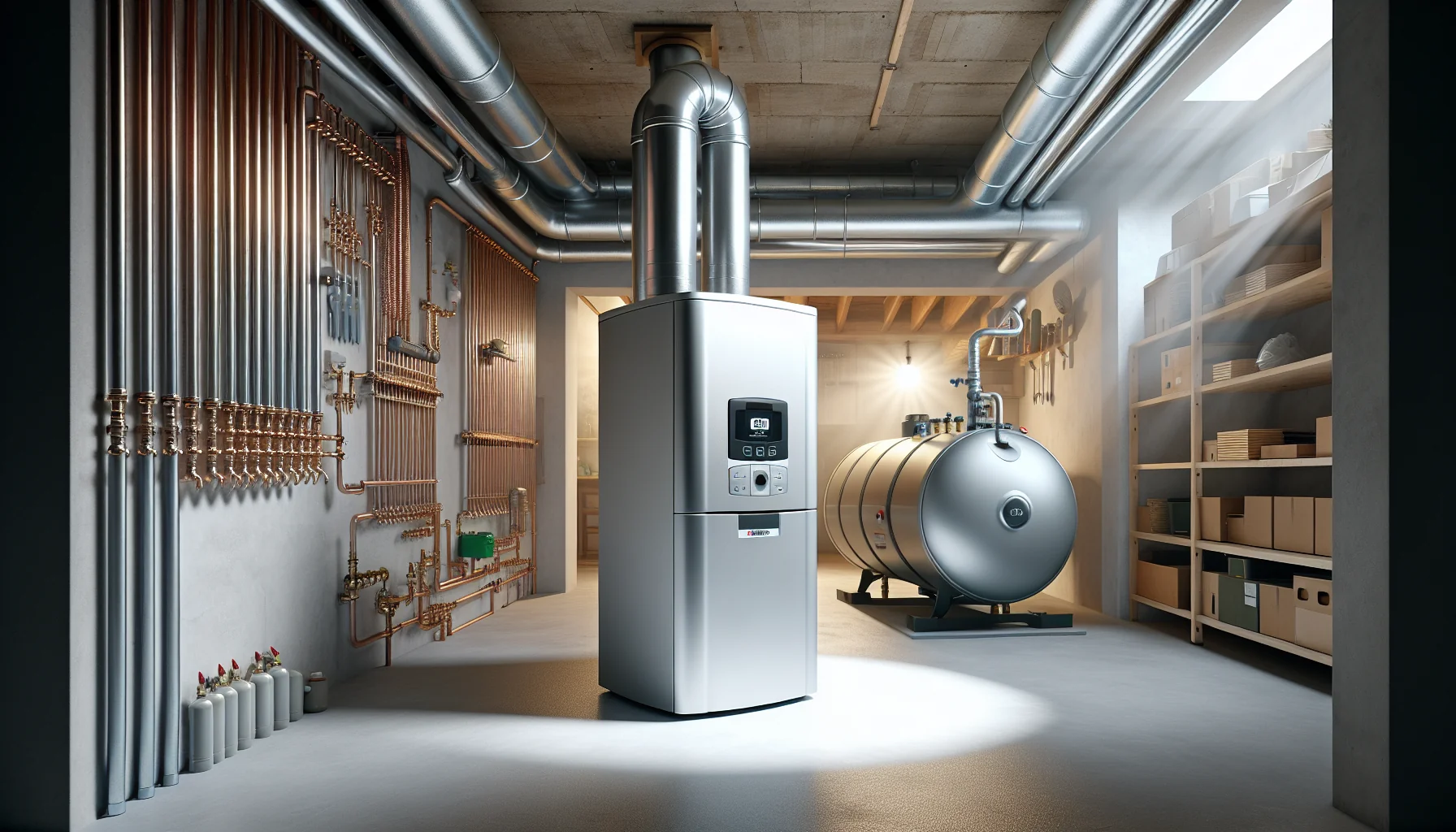
Rhode Island has one of the highest oil-heat rates in the country — about three in ten homes still heat with oil. In Johnston specifically, that number is higher than the state average thanks to our older housing stock. But the gas network has been expanding steadily, and every year more Johnston streets get natural gas mains at the curb.
If you're on oil and wondering whether it's worth switching, here's how to think about it — including the cases where you should absolutely not convert.
Why homeowners convert
The fuel cost savings
This is the headline reason, and it's a real one. On average, a US home spends about $1,700 per year heating with fuel oil versus around $700 per year with natural gas for the same building. That's roughly a 40–60% cut in your annual heating bill. For a typical Johnston home, that means $800–$1,500 back in your pocket every winter.
Convenience
No more checking your tank level in February. No more calling to schedule a delivery before the next cold snap. No more wondering if you ordered enough. Gas is metered like electricity — you just use it.
Cleaner operation
Gas burns cleaner than oil: less particulate, less CO2 per BTU, no soot on the walls of your equipment room, no sludge at the bottom of a tank. You can also hit much higher efficiencies — up to 96% AFUE on condensing gas boilers, versus a practical ceiling around 87% for oil.
No environmental liability from the tank
Oil tanks — especially the buried ones installed decades ago — are a real liability. A leak can mean thousands of dollars in soil remediation. Removing the tank as part of the conversion gets rid of that risk for good.
What conversion actually costs
Here's what a typical Johnston oil-to-gas conversion looks like, ballpark:
- New high-efficiency gas boiler or furnace: $5,000–$10,000
- Gas service line extension from the street (if you don't already have a meter): $1,000–$3,500
- Interior gas piping to the new appliance: $500–$1,500
- Chimney liner (for atmospheric venting) or direct-vent piping for condensing: $1,200–$2,500
- Oil tank removal: $500–$1,500 for a standard basement tank, more for a buried tank
Total realistic range: $8,000–$15,000 for a complete job. Rebates and tax credits can take a meaningful bite out of that — ask about current RI Energy / National Grid programs and the federal Energy Efficient Home Improvement Credit.
The payback math
Most Johnston homeowners who convert see a 5–9 year payback on fuel savings alone. Factor in rebates and the payback often shortens to 4–7 years. After that, the savings are pure win for the remaining 10–20 years of the equipment's life.
When conversion DOES make sense
- Your oil boiler is 15+ years old and due for replacement anyway
- There's already a gas main on your street (peek at a neighbor's house for a meter)
- You're tired of managing oil deliveries
- You're planning a kitchen remodel and want gas for the cooktop — you can share the line install cost
- Your oil tank is old, rusty, or underground and you want it gone
When it doesn't
- Your street has no gas main and extending the main would cost $10,000+
- You just installed a new high-efficiency oil boiler in the last five years — wait until it's due
- You're selling in the next two or three years — you won't hit payback before the sale
- Your existing oil system is a high-efficiency unit in excellent condition
What the process looks like
A typical Johnston oil-to-gas conversion takes four to ten weeks start to finish. Here's the sequence:
- Free site visit and heat loss calculation
- Quote and equipment selection
- Utility application for gas service (2–8 weeks — this is usually the longest wait)
- Permits pulled
- Install day: 1–2 days for boiler/furnace and venting
- Gas pressure test and final inspection
- Oil tank decommissioning and removal
Let's take a look
If you're seriously considering conversion, the best next step is a free site visit. Call Kwik Plumbing & Heating during our regular business hours and we'll come check whether there's a gas main on your street, size the right replacement equipment, and give you a real quote — no pressure. And if the math doesn't work for your specific Johnston home, we'll tell you that too.
Need Professional Help?
Kwik Plumbing RI's licensed plumbers and heating technicians are ready to help across Rhode Island.
Related Articles
Switching From a Tank to a Tankless Water Heater in an Older Rhode Island Home
Most older Rhode Island homes need gas line, venting, or electrical upgrades before a tankless water heater will work. Here is how to figure out what yours needs before you spend a dollar.
Why Older Rhode Island Homes Get Low Water Pressure (and What Actually Fixes It)
Low water pressure in an older Rhode Island home almost always traces to one of five things. Here is how to diagnose it yourself and what each real fix costs.
How Often Should I Service My Boiler in Rhode Island?
Once a year, every year — ideally late summer to early fall. Here's what a real annual boiler service includes, why skipping it gets expensive, and how to book it.