
How to Prevent Frozen Pipes in Your Johnston Home This Winter
Keep pipes above 32°F: insulate exposed runs, seal air leaks, hold the heat at 60°F, and trickle the taps in a cold snap. Here's the full checklist — plus how to thaw a pipe safely.
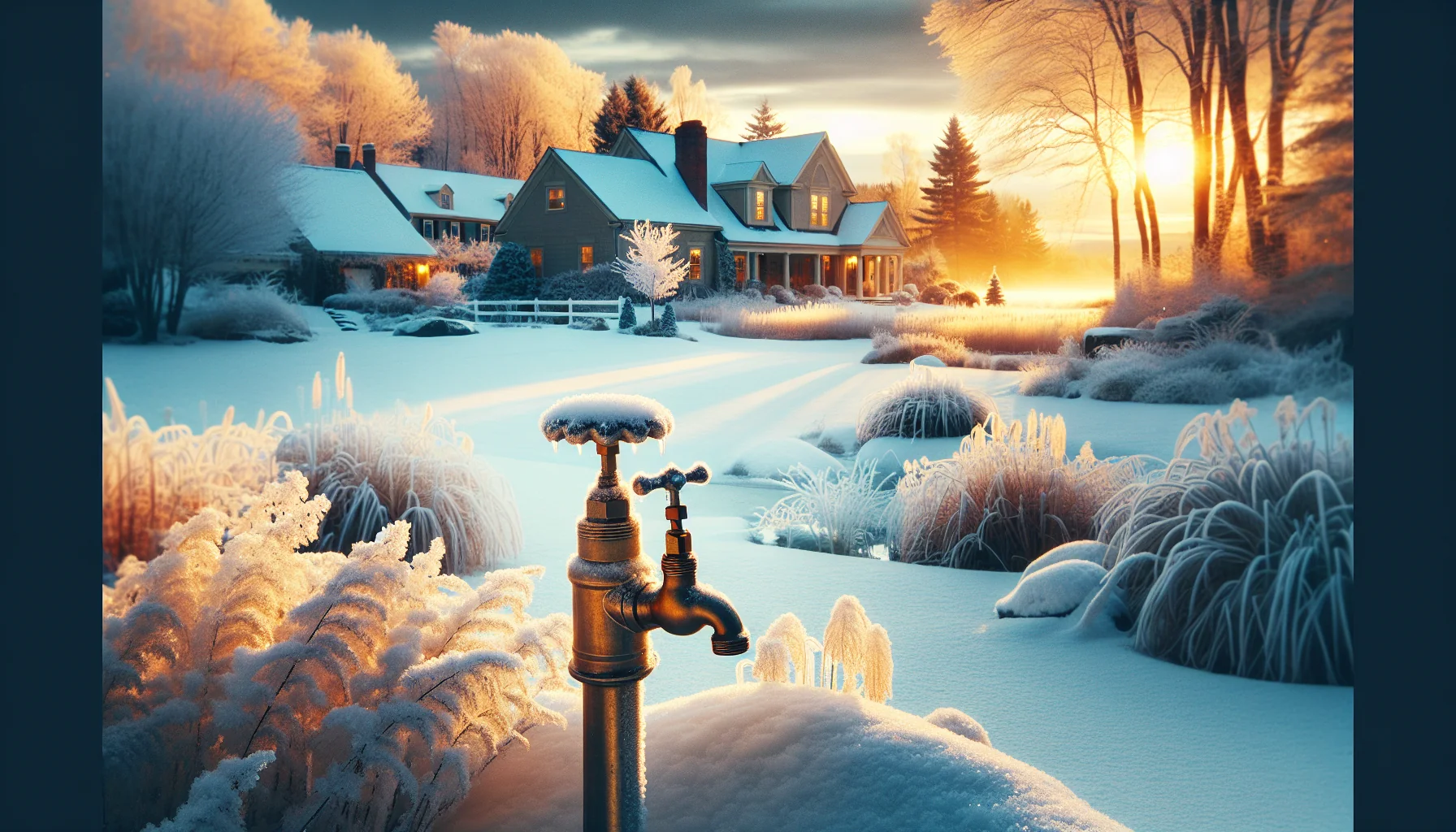
To keep pipes from freezing, keep them above 32°F: insulate every exposed run, seal the air leaks that let cold reach them, hold your heat at a steady 60°F day and night, and let vulnerable taps trickle during a hard cold snap. Do those four things and you'll get through a Rhode Island winter without a burst. Here's how to do each one — and what to do if a pipe has already frozen.
Johnston winters are no joke. January lows routinely sit in the low 20s°F, with snaps below 10°F every year — exactly the range where an unprotected pipe freezes, and a frozen pipe is usually just the opening act before a burst one. This is the checklist we give our Johnston customers every fall.
Start with the fall walk-through
The easiest frozen pipes to prevent are the ones you handle before the first freeze. Walk your house and hit these points:
- Disconnect and drain every garden hose. A hose left attached pulls cold right back into the spigot and through the wall.
- Shut off the interior supply to exterior hose bibs (if you have a stop valve) and open the outside bib to drain it. Upgrading to a frost-free outdoor faucet ends the problem for good.
- Insulate exposed pipes in the basement, crawl space, garage, and attic with foam pipe sleeves. A few dollars per length, minutes to install.
- Seal air leaks around rim joists, sill plates, and foundation vents. Cold-air infiltration is what freezes pipes in otherwise "heated" basements.
- Close foundation vents if your home has a crawl space (reopen them in spring).
During a cold snap
When the forecast dips below 20°F, switch into protection mode:
- Keep your thermostat at least 60°F day and night, even when you're away. Never drop below 55°F.
- Open kitchen and bathroom cabinet doors on exterior walls so warm room air reaches the supply lines behind them.
- Let a faucet trickle at fixtures with long runs to exterior walls. A slow, steady stream on both the hot and cold side resists freezing.
- Keep the garage door closed, especially if water lines run through the garage ceiling or wall.
High-risk spots in Johnston homes
Over the years we've fixed a lot of burst pipes in the same places. Watch these:
- Kitchen sink plumbing on a north-facing exterior wall
- Upstairs bathrooms over unheated garages
- Laundry hookups in unfinished basements with rim-joist air leaks
- Frost-free hose bibs installed upside down (they won't drain)
- Old copper running through attic space in 1.5-story Cape-style homes
What to do if a pipe has already frozen
Don't panic. If you turn on a faucet and get only a trickle, you've caught it early:
- Leave the faucet open. As the pipe thaws, water needs somewhere to go.
- Apply gentle heat to the frozen section. A hair dryer, heating pad, or warm towels work well. Start at the faucet end and work back toward the frozen spot.
- Never use an open flame. Propane torches and heat guns aimed at pipes are how house fires start.
- If you can't find the frozen section — or you hear water where it shouldn't be — shut off the main valve and call us for leak and pipe repair.
If a pipe has burst
Shut off the main water valve immediately. Open a cold tap on the lowest level of the house to drain what's left in the lines. Then call Kwik Plumbing & Heating during our regular business hours — we prioritize burst-pipe calls and respond fast for same-day urgent repairs. We don't run overnight callouts.
We see the same freeze pattern all over Providence County — the unheated mill-village basements of West Warwick, the exposed well lines out in Glocester, the three-decker basements of North Providence, and the older village homes of Smithfield. If your house has a known problem spot, book a fall winterization before the cold sets in rather than an emergency repair after.
Frequently asked questions
At what temperature do pipes start to freeze?
Water freezes at 32°F, but pipes are most at risk once the outside air drops below about 20°F, especially in unheated or poorly insulated spaces. That's why we tell Johnston homeowners to switch into protection mode whenever the forecast dips below 20°F.
How long can pipes be frozen before they burst?
There's no safe window — a pipe can burst within hours of freezing as the ice expands and pressure builds between the ice and a closed faucet. If you suspect a frozen pipe, start thawing it right away and leave the faucet open.
Should I leave faucets dripping all winter?
No need to drip constantly. Only trickle taps that feed long runs along exterior walls, and only during an actual cold snap below about 20°F. The rest of the winter, insulation and sealed air leaks do the work.
Does Kwik Plumbing offer overnight emergency service?
We don't run overnight callouts, but we prioritize burst-pipe and no-water calls for same-day urgent response during business hours. Shut off your main valve first, then call us.
Need Professional Help?
Kwik Plumbing RI's licensed plumbers and heating technicians are ready to help across Rhode Island.
Related Articles
Should I Switch From Oil to Natural Gas Heating in Johnston?
Rhode Island still has one of the highest oil-heat rates in the country — but gas is expanding. Here's an honest look at when oil-to-gas conversion makes sense, and when it doesn't.
Switching From a Tank to a Tankless Water Heater in an Older Rhode Island Home
Most older Rhode Island homes need gas line, venting, or electrical upgrades before a tankless water heater will work. Here is how to figure out what yours needs before you spend a dollar.
Why Older Rhode Island Homes Get Low Water Pressure (and What Actually Fixes It)
Low water pressure in an older Rhode Island home almost always traces to one of five things. Here is how to diagnose it yourself and what each real fix costs.